Back

Life Science

Home / Life Science

Department of Life science(zoology) and computational biology

Department of Life Sciences (Zoology) and Computational Biology was established in 2020.First academic batch with 24 students, for B. Sc. Life Sciences (Zoology) and Computational Biology, started on 15 th January 2021. Currently this Programme is a Choice Based Credit and Semester System (KUCBCSS) and Outcome Based Education System (OBE) under Kannur University. It is a Language Reduced Programme (LRP) with English and Additional Language(Hindi/Malayalam) only during the first and second semester. This UG Programme offers Core Course- Life Sciences (Zoology) and Computational Biology, Complementary Elective Courses– Microbiology and Computer Science and Generic Elective Course- Introduction to Big Data Analysis.

In 2020, Kerala Government granted 197 New Generation UG and PG Programmes all over the state. B.Sc. Life Sciences (Zoology) and Computational Biology Programme of Pius X College is one among the 7 New Generation Programmes granted to Aided Arts and Science Colleges in Kannur University. In Kerala, only St. Pius X College offers B.Sc. Life Sciences (Zoology) and Computational Biology Programme which adds attraction to this course, making it unique.

Dr. Shiju Jacob, Head of the Department of Physiology took over the Headship of this new department, as the first faculty.

This Department can be considered as a progressive development of the Department of Physiology established in 1995, offering Physiology as Complementary Elective Course for the core course of Microbiology. The Department of Life Sciences (Zoology) and Computational Biology will continue to offer Physiology as Complementary Elective Courses for the core course of Microbiology.

OUR VISION

The Department of Life Sciences (Zoology) and Computational Biology envisions to foster critical thinking and learning process that cut across different disciplines of Life Sciences and Computational Biology to promote high academic standards and nurturing an individual’s holistic development to make them good human beings

OUR MISSION

To produce skilled graduates who can choose research fields or professional career as Computational Biologists with Life Science in the Research and Development Sector of Software industries.

Faculty - Department of life science(zoology) and computational biology

Dr. Shiju Jacob
Associate Professor & Head
Dr.Rachana K E
Assistant Professor (on Contract)
Blessy Joy
Assistant Professor (on Contract)
Dr. Abhilash Joseph E
Assistant Professor (on Contract)

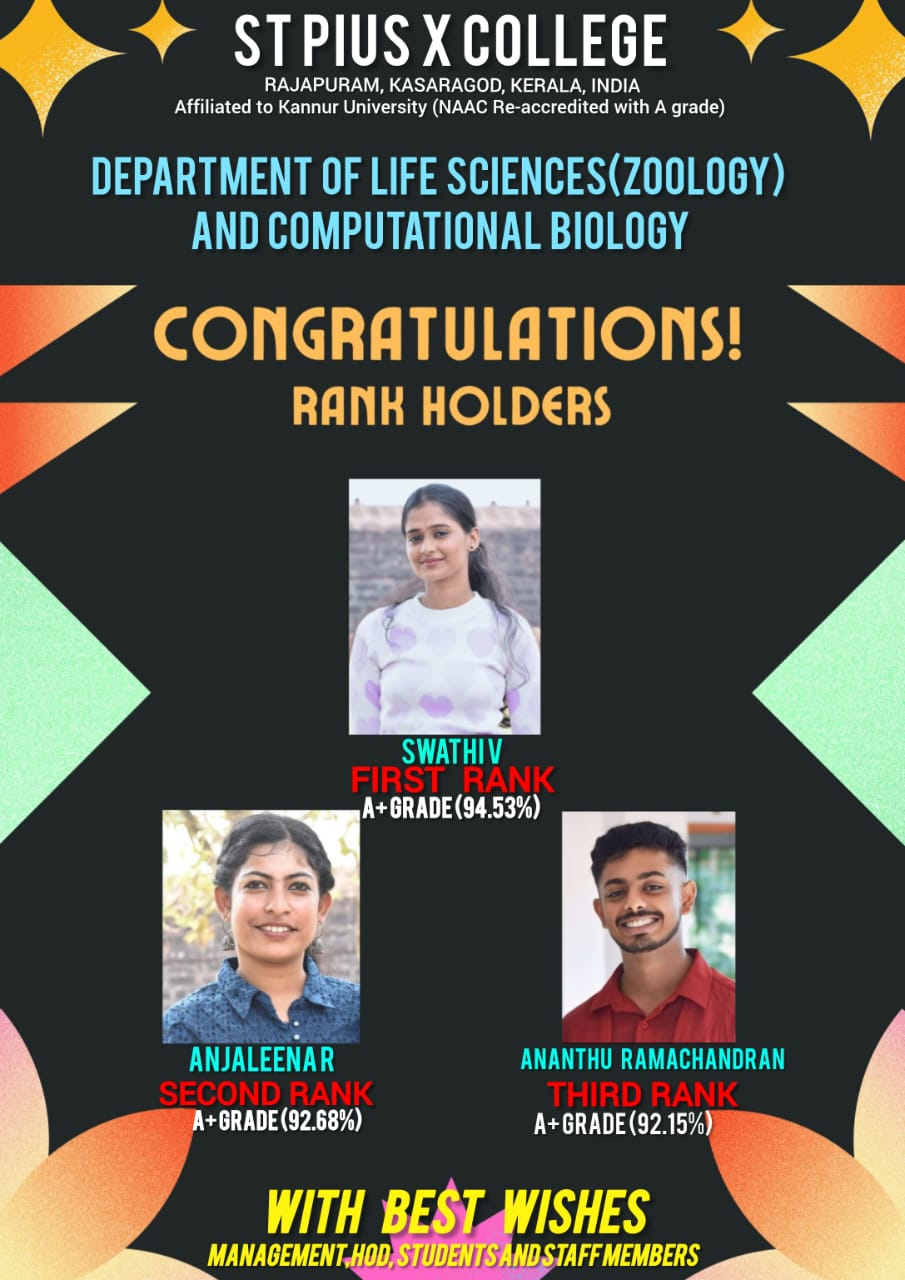
Rank Holders 2025

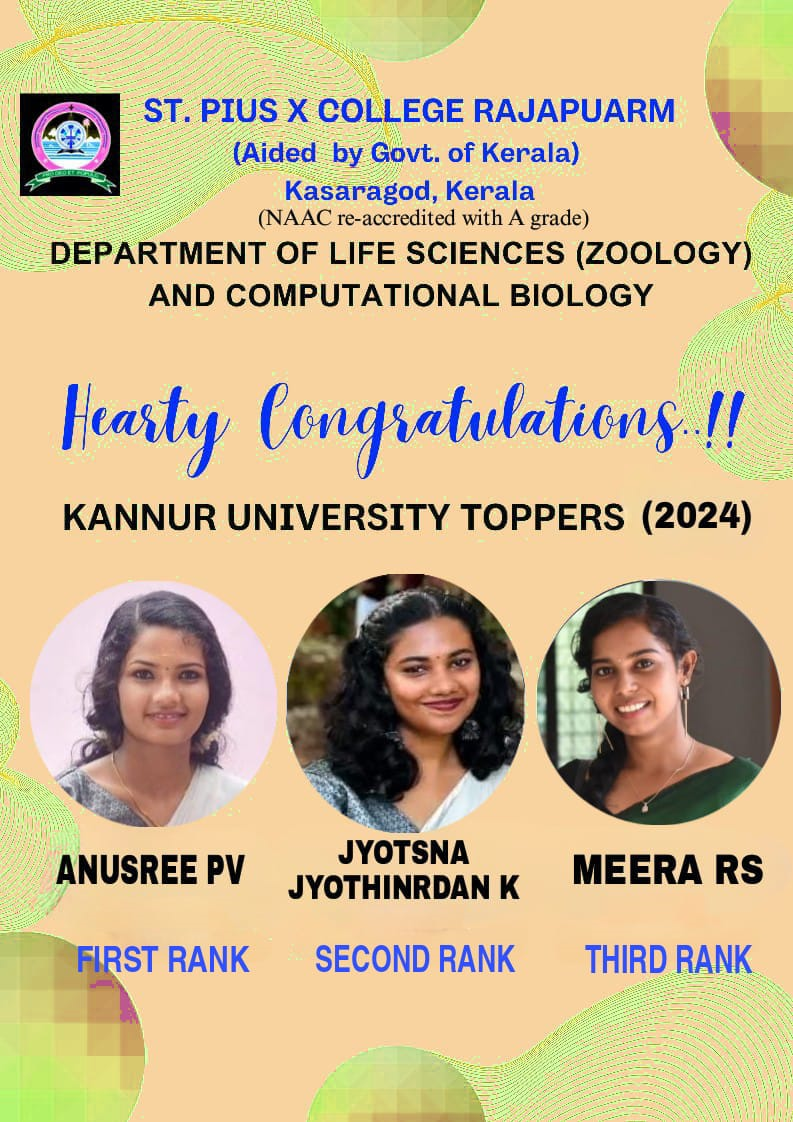
Rank Holders 2024

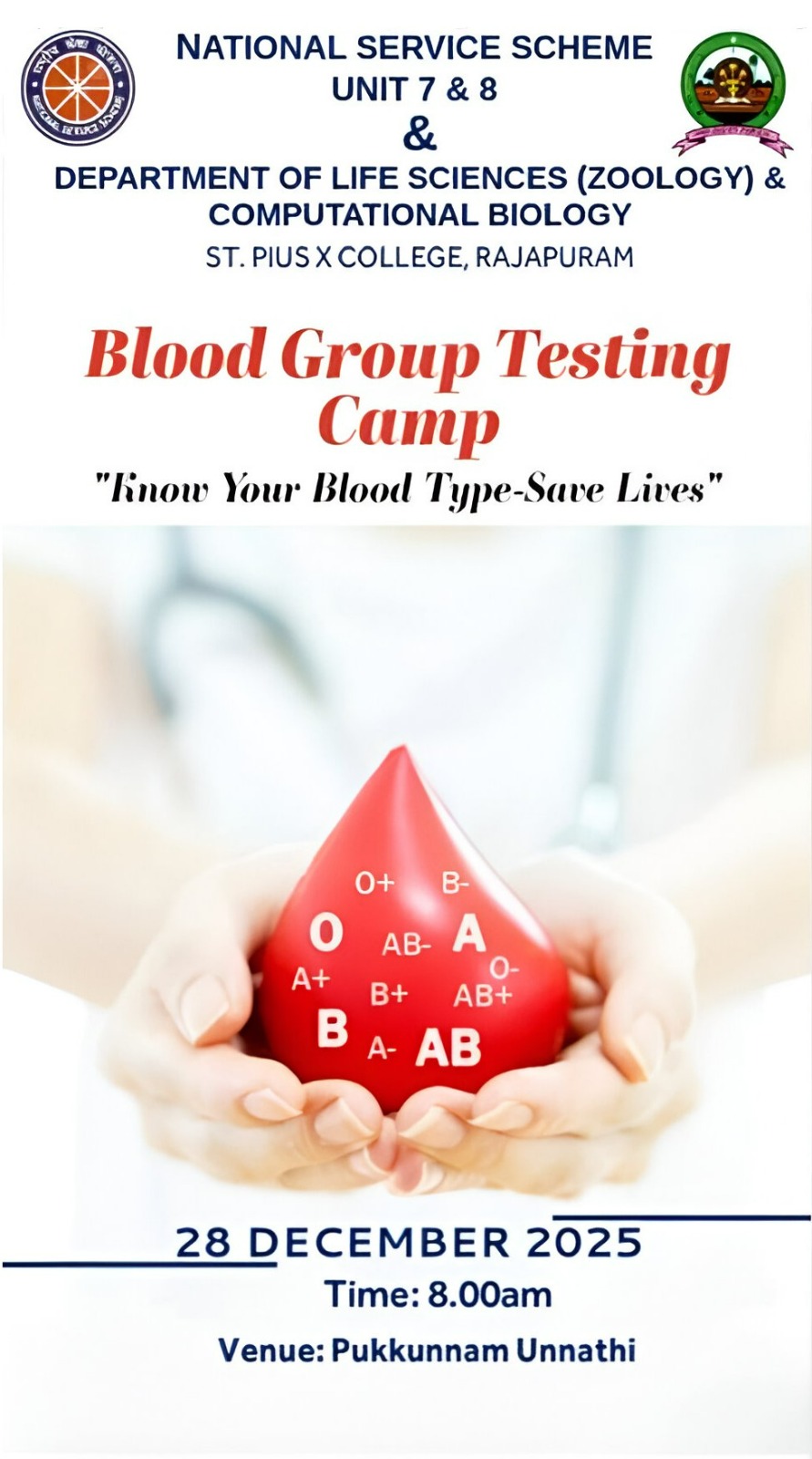
Blood Group Testing

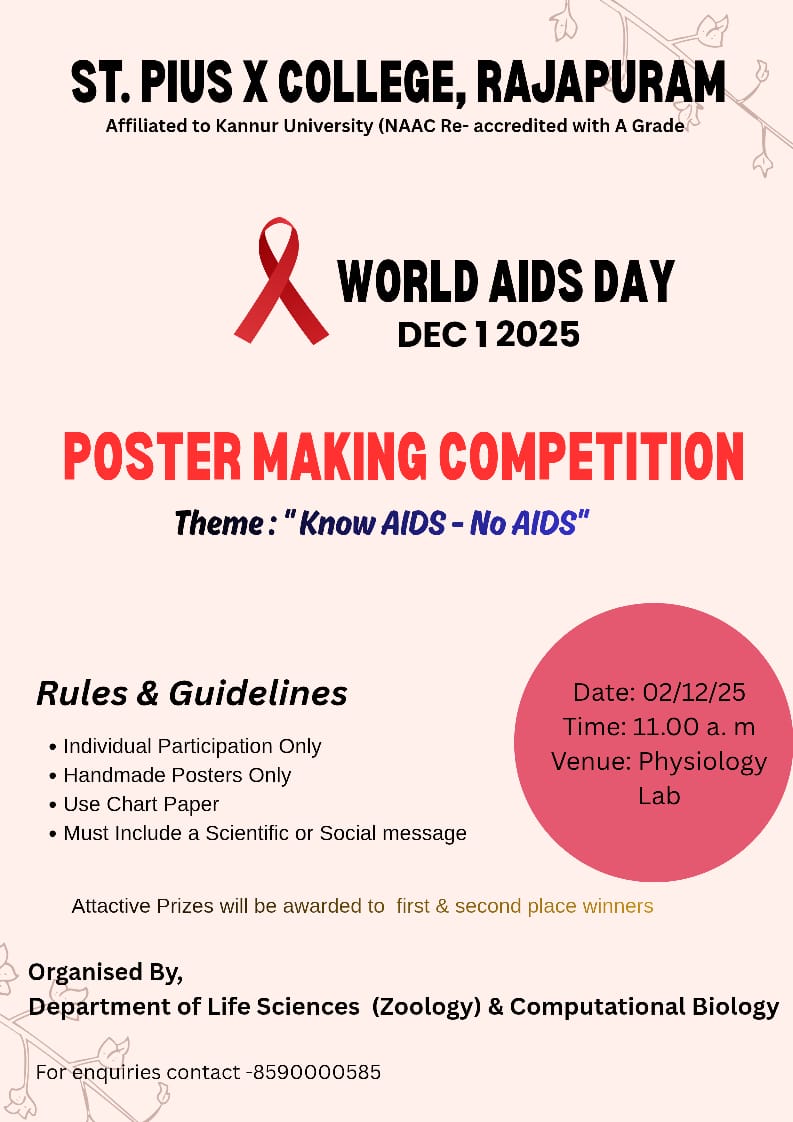
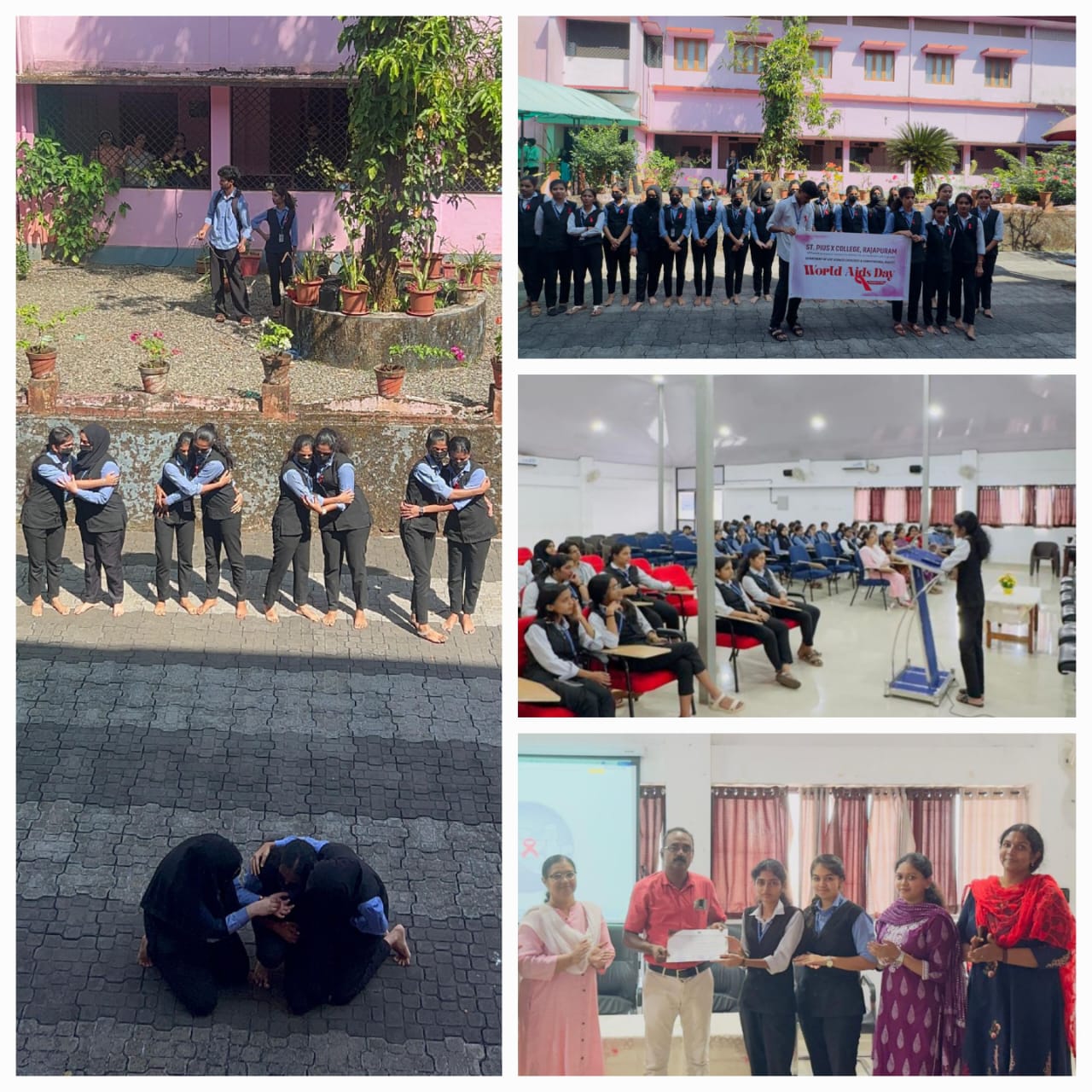
The Department of Life Sciences and Computational Biology, St. Pius X College, Rajapuram, organized a “Flash Mob” and Mime” on 1st December 2025 in the college premises and a “Poster making competition” on 2nd December 2025 on behalf of World AIDS Day. Students of 2nd and 3rd year Life Sciences department participated in this event. Ms. Dona Mathew, student of 2nd DC Life Sciences and Computational Biology deliverd an informative talk on “Understanding HIV/AIDS”. Students and teachers from various departments participated enthusiastically. Winners of the poster making competition are: 1st Prize – Ms. Ashitha T V (II DC Microbiology) 2nd Prize – Mr. Ashwin Jayaram & Akshaya K V (III DC Microbiology) The programme encouraged awareness and responsibility among students on AIDS.

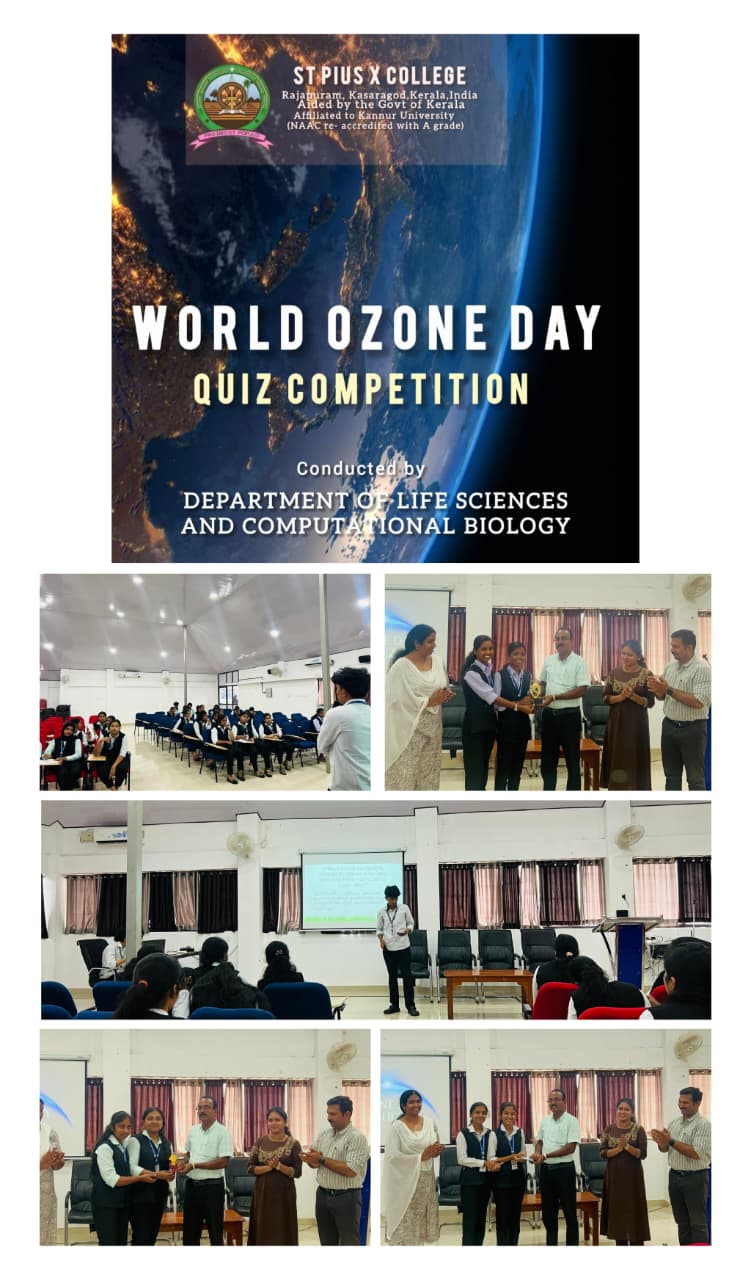
The Department of Life Sciences and Computational Biology, St. Pius X College, Rajapuram, organized a quiz competition on World Ozone Day on 26th September 2025 at Seminar Hall. The event, held at 1:30 pm, aimed to spread awareness on the importance of protecting the ozone layer. Students from various departments participated enthusiastically. The winners were: 1st Prize – Midhula Kannan & Anmariya Rajesh (I MA Developmental Economics) 2nd Prize – Shivani S. Nair & Amrithendu K (I DC Physics) 3rd Prize – Dilna Suresh & Anagha T. S (II DC BBA) The competition encouraged awareness, teamwork, and environmental responsibility among students.

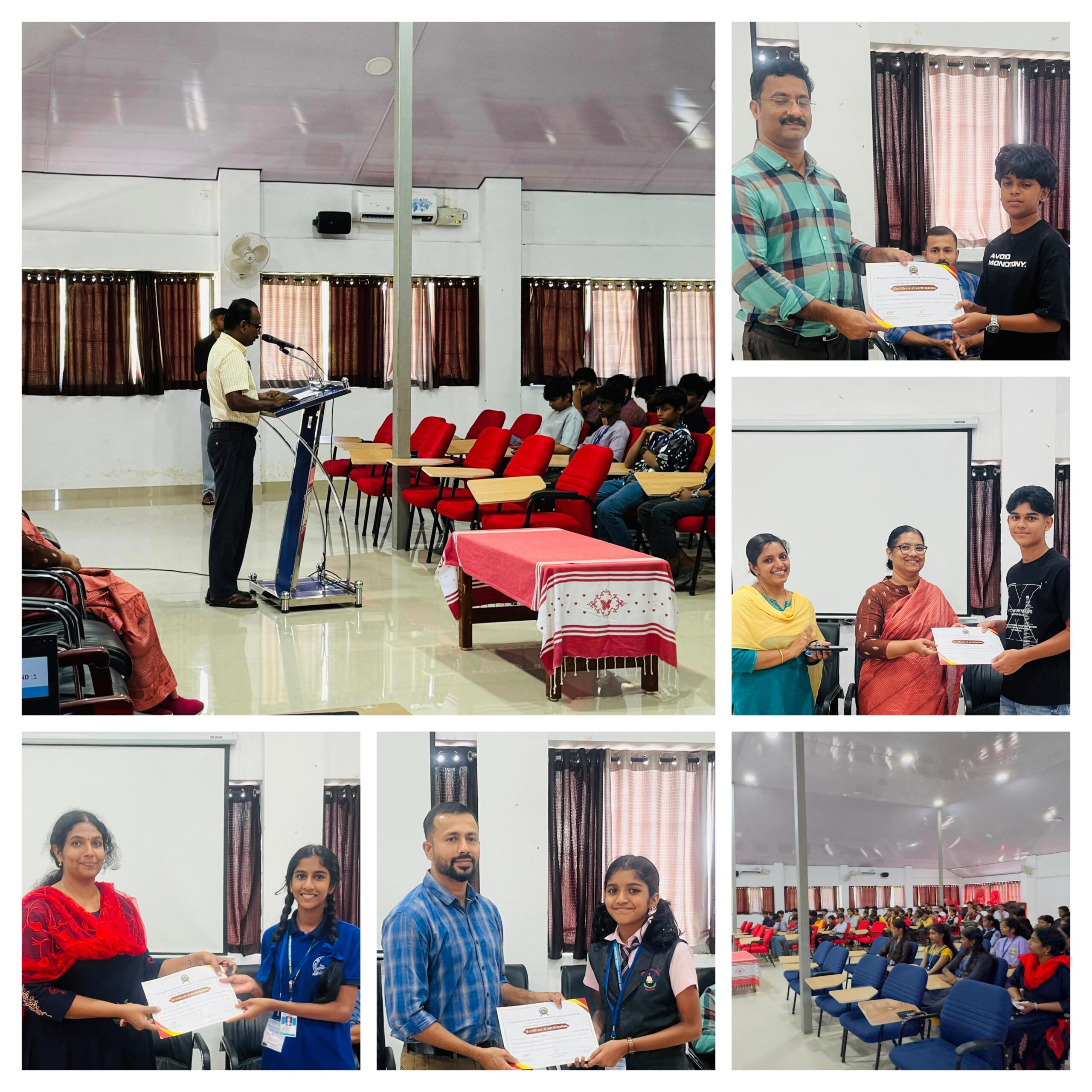
Inter-School Science Fair – EUREKA 2025 The Department of Life Sciences and Computational Biology organized EUREKA 2025 on January 1, 2025,inspire scientific curiosity among students. The event saw 90 participants from various schools engaging in activities like Science Model Display, Quiz, and Puzzles. It was inaugurated by Principal Dr. Biju Joseph, with Student Coordinator Abhiram delivering the welcome address and Dr shiju Jacob HOD of the department delivered vote of thanks.Faculty Coordinator Dr. Nair Pooja Jayaram led the program with strong departmental support. The fair concluded with a valedictory ceremony where winners were awarded prizes and all participants received certificates. EUREKA 2025 successfully encouraged creativity and innovation among young minds.

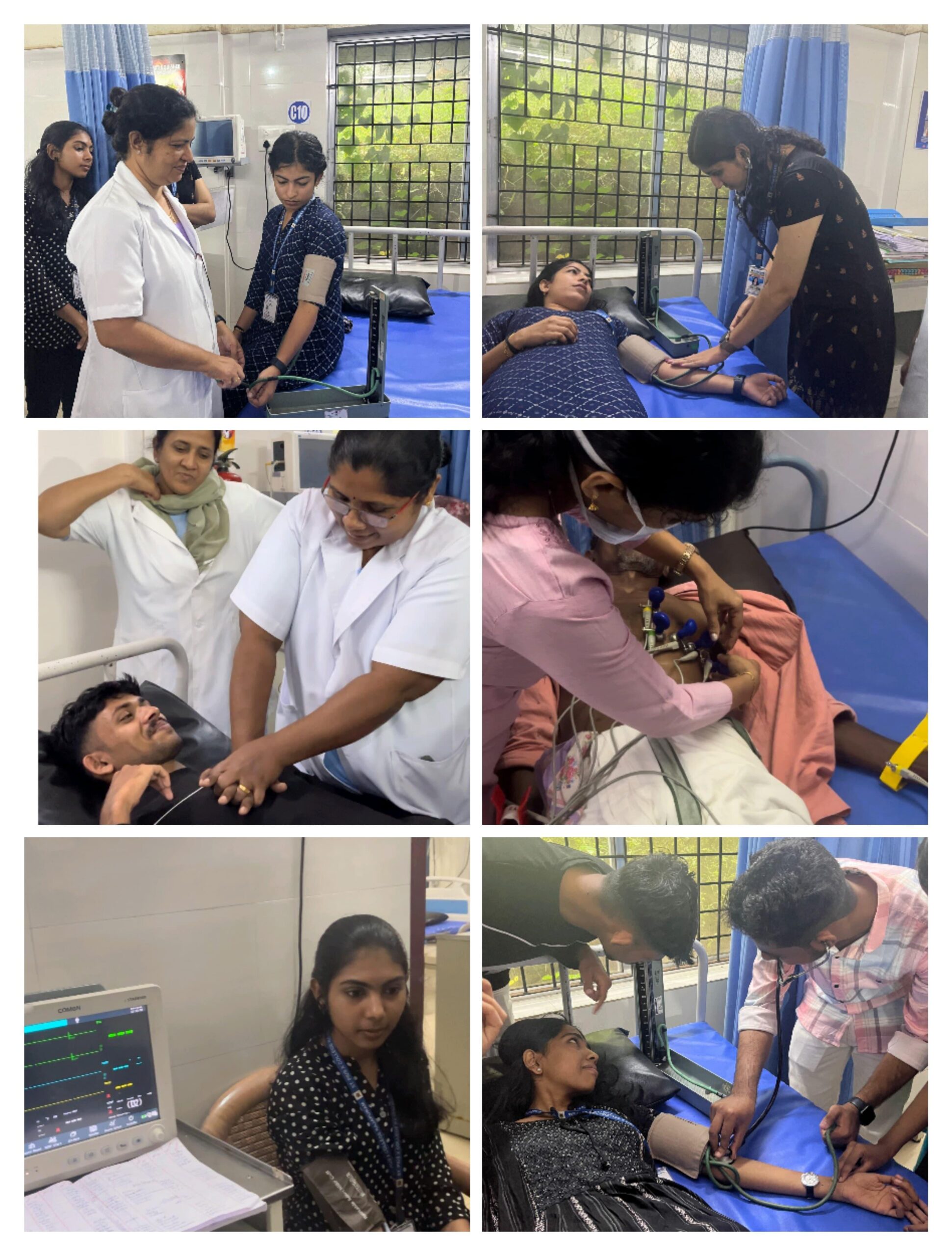
On December 4, 2024, students from the Department of Life Sciences and Computational Biology visited Poodamkallu Taluk Hospital as part of an educational program. The visit aimed to provide hands-on exposure to various medical equipment and their practical applications.During the session, hospital staff conducted demonstrations of several apparatus commonly used in medical diagnostics and patient care. This interactive learning experience allowed students to enhance their understanding of clinical practices and technological advancements in healthcare. The visit proved to be an informative and engaging experience, enriching the students’ academic knowledge with real-world insights.

The Department of Life Sciences and Computational Biology- “INFORMATICA” 2024-25 conducted a quiz competition related to Ozone Day on 30th September 2024. Students from various departments participated in the event, showcasing their knowledge about the ozone layer, environmental protection, and the impact of human activities on the atmosphere. The competition aimed to promote environmental awareness and foster interdisciplinary learning among the participants.

On September 28, 2024, the Department of Life Sciences and Computational Biology at St. Pius College, Rajapuram, organized a pencil drawing competition as part of the Ozone Day celebrations. The event aimed to raise awareness about the importance of protecting the ozone layer and its significance in safeguarding life on Earth. Students from various departments participated enthusiastically, showcasing their artistic talents while highlighting themes related to environmental conservation and ozone protection. The competition not only provided a creative platform for students but also promoted eco-consciousness among the college community

Program Outcome

PO 1. Critical Thinking:

1.1. Acquire the ability to apply the basic tenets of logic and science to thoughts, actions and interventions.
1.2. Develop the ability to chart out a progressive direction for actions and interventions bylearning to recognize the presence of hegemonic ideology within certain dominant notions.
1.3. Develop self-critical abilities and the ability to view positions, problems and socialissues from plural perspectives.

PO 2.Effective Citizenship:

2.1. Learn to participate in nation building by adhering to the principles of sovereignty of the nation, socialism, secularism, democracy and the values that guide are public.
2.2. Develop and practice gender sensitive attitudes, environmental awareness, empathetic social awareness about various kinds of marginalisation and the ability to understand and resist various kinds of discriminations
2.3. Internalise certain highlights of the nation’s and region’s history. Especially of the freedom movement, the renaissance within native societies and the project of modernisation of the post colonial society.

PO 3.Effective Communication:

3.1. Acquire the ability to speak, write, read and listen clearly in person and through electronic media in both English and in one Modern Indian Language
3.2. Learn to articulate, analyse, synthesise, and evaluate ideas and situations in a well informed manner.
3.3. Generate hypotheses and articulate assent or dissent by employing both reason and creative thinking

PO 4.Interdisciplinarity:

4.1. Perceive knowledge as an organic, comprehensive, interrelated and integrated faculty of the human mind.
4.2. Understand the issues of environmental contexts and sustainable development as a basic interdisciplinary concern of all disciplines.
4.3. Develop aesthetic, social, humanistic and artistic sensibilities for problem solving and evolving a comprehensive perspective.

After the successful completion of the B.Sc. LIFE SCIENCES (ZOOLOGY) & COMPUTATIONAL BIOLOGY Degree Pragramme, the students shall be able to;
PSO 1: Understand the relevance of Zoological and Microbiological aspects in life sciences and computer science
PSO 2: Understand the scope and applications of computational modelling and predictions in various aspects of life sciences
PSO 3: Understand the relevance of research methods, bioethics in the implementations of the studies related with life sciences and computational biology
PSO 4: Carry out standard laboratory techniques in the field of zoology, microbiology, Computer sciences and study the scope of computational modelling and prediction in various problems in life sciences

Core Course I 1B01 ZCB BIOCHEMISTRY AND BIOPHYSICS

CO1. Understand the importance of Bio molecules
CO2. Familiar with various biochemical pathways
CO3. Develop knowledge about equipment like microscopes, spectrophotometers, centrifuges etc.

Core Course II 2B02 ZCB FUNDAMENTALS OF COMPUTATIONAL BIOLOGY & BIOINFORMATICS

CO 1. Understand the basic concepts in Bioinformatics/Computational biology and its applications in various fields.
CO2 Understand biological databases available online and sequence alignment using bioinformatics tools
CO3.Understand algorithms used for the computational calculations CO4. Understand the concepts of genes, genomes and Human Genome Project.

Core Course III 3B03 ZCB MOLECULAR BIOLOGY

CO1. Understand the importance of bio molecules
CO2: Inspect the genome organization and protein synthesis
CO3: Understand the relevance of regulation of gene expression in prokaryotes and eukaryotes CO4: To study various techniques and their scope in molecular biology.

Core Course V 4B05 ZCB BIOMOLECULAR MODELLING AND SIMULATION

CO1: Able to understand various structural organisation and conformations of proteins for biomolecular modelling studies
CO2: Able to understand the scope of computational biology in predicting primary, secondary and tertiary structures of proteins
CO3: Able to apply different force fields for evaluation of protein structures by relevant bioinformatics approaches.
CO4: Able to implement simulation studies for various proteins and analyse their structural aspects for functional studies.
CO5: Able to design and develop models for unknown protein structures using various computational biology tools.

Core Course VI 4B06 ZCB COMPUTATIONAL BIOLOGY PRACTICAL-I

CO1: Apply the concepts of bioinformatic tools and databases for solving various biological problems.
CO2: Apply the concepts of similarity searches and identification of best homologous sequences by various bioinformatics tools .
CO3: Apply the concepts of sequence alignment and analyse the homologous relationship of various molecular sequences.
CO4: Implement the concepts of computational biology and analyse the scope of structural bioinformatics and visualisation of macromolecular structures.

Core Course VII 5B07 ZCB ANIMAL PHYSIOLOGY

CO1. Understand the function of various systems at cellular and system levels .
CO2. Understand the mechanisms that work to keep the body alive and functioning.
CO3. Apply the knowledge to lead a healthy life

Core Course VIII 5B08 ZCB DEVELOPMENTAL BIOLOGY

CO1: Understand the major steps in embryological development.
CO2: Understand the intricate mechanisms involved in the development of animals..

Core Course IX 5B09 ZCB CHEMOINFORMATICS AND COMPUTATIONAL MEDICINAL CHEMISTRY

CO1: Able to understand the importance cheminformatics in drug discovery process.
CO2: Able to understand the applications of databases and computational biology tools in various exercises in cheminformatics .
CO3: Able to understand Pharmacokinetics and Pharmacodynamics aspects in Computational medicinal chemistry
CO4: Able to implement models for drug likeliness and ADMET predictions for various small molecules.
CO5: Equipped with knowledge of various kinds of small molecules and drugs used in computational medicinal chemistry.

Core Course X 5B10 ZCB COMPUTER AIDED DRUG DISCOVERY

CO1: Understand the concept of molecular modelling in computational drug discovery.
CO2: Understand the conceptof chemo-informatics and computational medicinal chemistry in structure-based drug discovery..
CO3: Apply the theoretical aspects and relevance of computer assisted drug discovery in pharmaceutical industry.
CO4: Inspect the utility of computational virtual screening and molecular docking studies in the success of modern drug discovery approaches..
CO5: Evaluate the scope of molecular dynamic simulation and quantitative structure activity relationship towards molecular modelling and drug discovery pipelines.

Core Course XI 5B11 ZCB ZOOLOGY PRACTICAL-II

CO1. To give training in different experimental procedures and techniques in physiology and developmental biology.
CO2: To give training in different genetic methods and to solve simple problems in genetics.

Core Course XIII 6B13 ZCB ENVIRONMENTAL SCIENCE AND BIODIVERSITY

CO1. Students are able to describe the relation between abiotic and biotic factors. .
CO2. Able to describe various biological interactions. .
CO3. Students are able to understand how change in population affect the ecosystem.

Core Course XIV 6B14 ZCB HEALTH AND IMMUNOINFORMATICS

CO1: Understand the fundamental concepts of health informatics and its scope and application .
CO2: Implement the modelling framework of health informatics with the aids of computational tools and databases .
CO3: Analyse the scope and applications of computational biology tools and databases in health care information systems
CO4: Understand the fundamental concepts of computational immunology and its utility
CO5: Inspect the applications of computational biology tools and techniques in studying various aspects of immunology.
CO6: Implement the computational biology tools and techniques in epitope mapping and prediction..

Core Course XV 6B15 ZCB RESEARCH METHODOLOGY AND BIOETHICS

CO1. Apply scientific methods in day to day life .
CO2. Able to design a research work on a topic.
CO3. To give a basic understanding in bioethics in research.


Get 30% off your first purchase

X